
The love story of Erling fra Kvie and Ragnild Skarvangssola is the origin of the legend of The Knight’s Leap, called “Ridderspranget” in Norwegian. The “leap” was across a dramatic gorge in the Sjoa River. The site is now a famous visitors’ spot in Jotunheimen National Park in Norway. 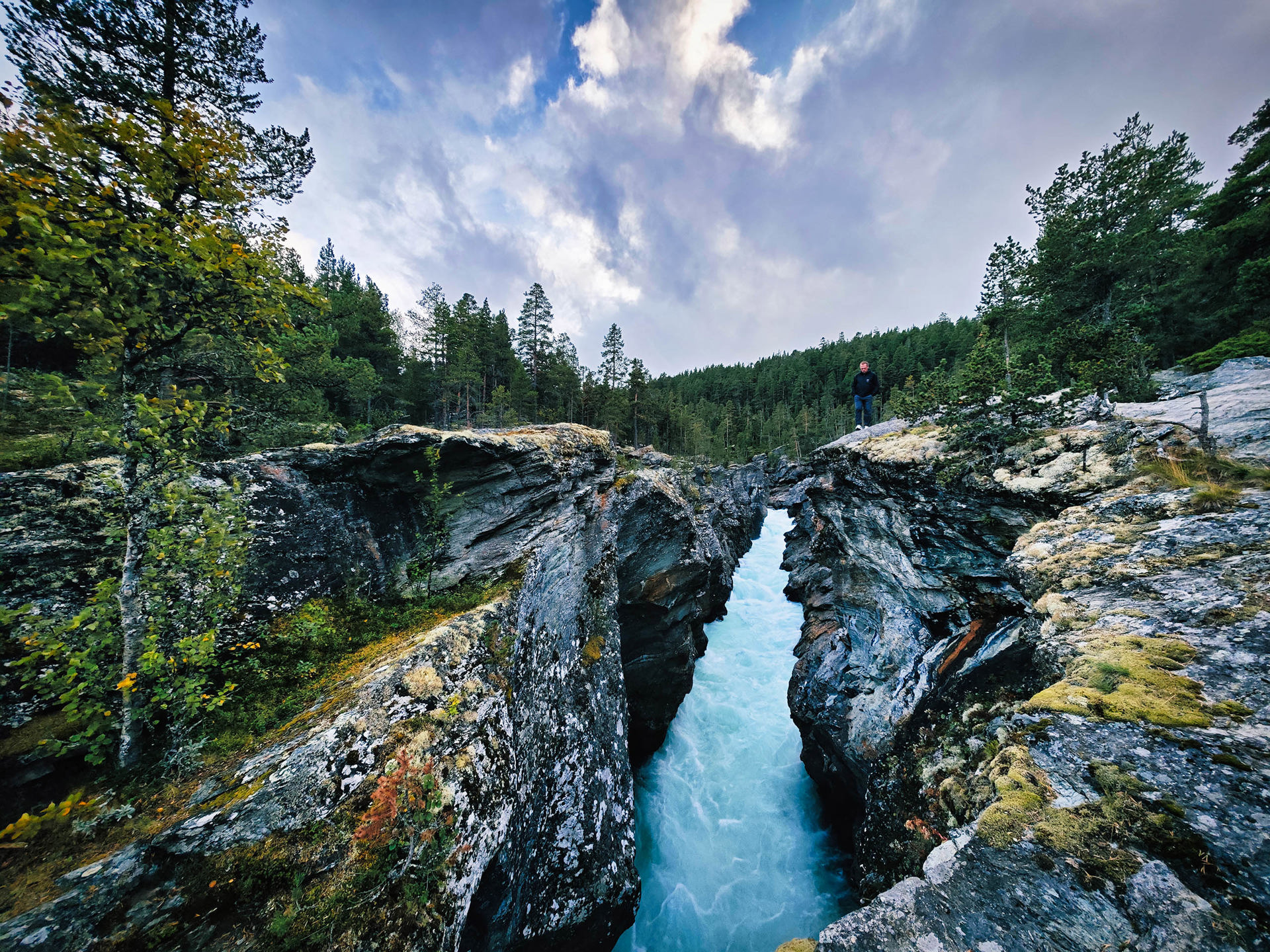
The knight (ridder) Erling (Viljalmsson) belonged to the noble family of Kviden in the Vang (Vaga) region of the upper part of Valdres. He was born around 1135. His family owned a lot of land in the area, and claimed particularly rich fishing grounds at Heimdalsvatnet in Vaga nearby. He clashed with another young knight in the region, Ivar Gjaesling, a member of an ancient royal vassal family with roots going back to St. Olaf. The main Gjaesling family estate was close by in Sandbu in the Gudbrandsdalen valley. Ivar also claimed the same fishing rights. The men skirmished from time to time, resulting in wounded retainers and burned buildings and boats.
In addition to the land conflict, both men were in love with the same woman. Her name was Ragnild. She was born in Skarvangen in Vang, and was renowned for her beauty. She was called “Skarvangssola” (Skarvang’s Sun) among the people in the valley. Ivar Gjaesling owned farms in Skarvangen and saw the girl when he went there. His desire for her grew steadily and he brought her to his farm in Sandbu.
The legend is a little vague at this point in the story. Ivar may have married Ragnild, or not. They may have been engaged when she was abducted. She may have had a child with Ivar. Or, he brought her to his farm for safe keeping since he knew Erling fra Kvie also wanted her, and Ragnild was in love with him. Erling was the handsomer of the two suitors.
As the story goes, before they had time to hold a proper wedding feast, Ivar Gjaesling rode out with his men to celebrate the coronation of King Magnus Erlingsson, also known as Magnus V. This was held in the fall of 1163. Since King Magnus was only seven years old at the time of the ceremony, real power was held by his father, Earl Erling Skakke, a Norwegian nobleman. 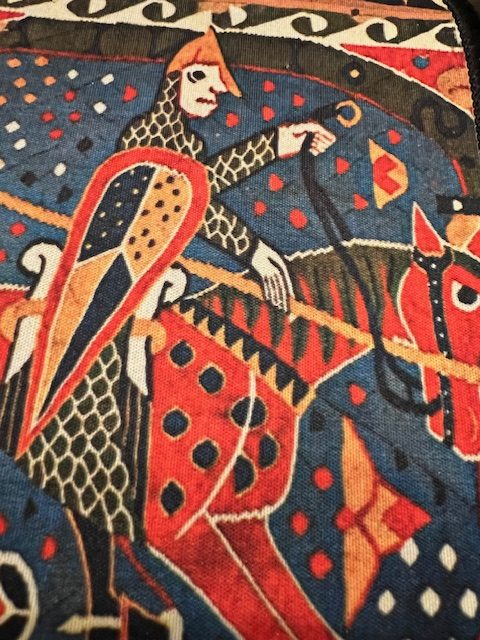
No sooner than Ivar had ridden off toward Bergen, Skarvangssola sent word to her lover telling him where she was being held. Erling fra Kvie gathered his men, and rode hard over the mountain to Sandbu. He killed the guards, set fire to the buildings and took Skarvangssola up on his saddle. They had not ridden far before Ivar Gjaesling returned. The chase began.
The knight from Kvie and his retinue were spotted at dawn by Ivar and his men. A vigilant guard warned Erling, who rode off with his squire and Skarvangssola. All his men were cut down to the last man at the seter (mountain summer farm) where they had rested during the night.
The knight headed for a narrow gorge on the Sjoa River. The Gjaeslings had almost caught up with them when he took Skarvangssola in his arms and made the leap across the chasm. His squire jumped after him but Erling knocked him back into the rushing waters, showing Ivar and the others what would happen if they attempted to follow him over the gorge. With a drawn sword, he awaited anyone who dared. Ivar prepared to jump over, but his men held him back. They thought that he should not risk his life for such a flighty girl.
Erling took his new bride home with him but he paid dearly for her abduction. The king required Erling fra Kvie to give all of Heimdalen and its rich fishing grounds to Ivar Gjaesling. Ivar had some measure of revenge in depriving Erling of his wealthy fishing grounds.
Erling fra Kvie and Ragnild Skarvangssola had a daughter, Ragnfrid Erlingsdatter. She became the second wife of Bard Guttormsson, of the powerful Rein clan. Their son was Duke Skule Bardsson (1189-1240), one of our ancestors. He was the brother and grandfather of Norwegian kings, and briefly crowned king himself. Bard Guttormsson’s sons, Guttorm and Skule, were raised by their grandfather, Erling fra Kvie. During a period of civil war, Erling feared for his grandsons and immediately sent them to a remote forest village to keep them safe. Erling eventually sent them to King Inge, the half-brother of his daughter’s father-in-law, Bard Guttormsson. 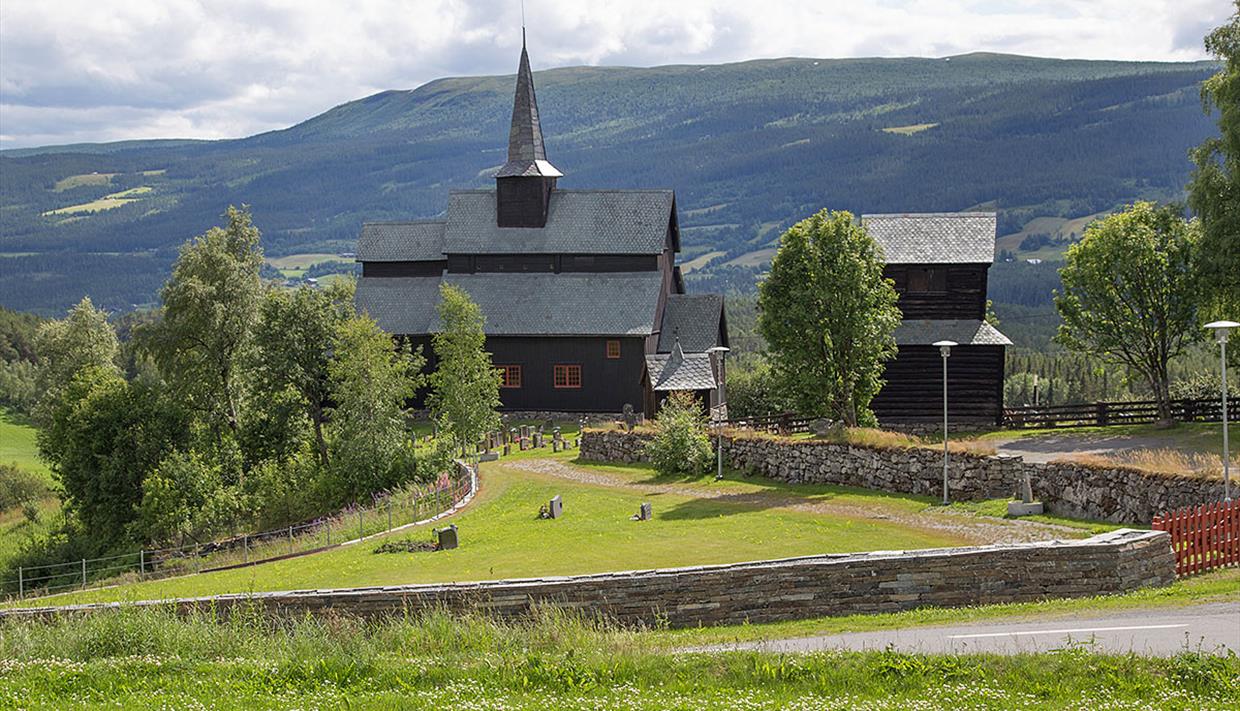
A little over 20 years later, Erling fra Kvie had his own revenge. He sided with King Sverre Sigurdsson over his rivals King Magnus Erlingsson and his father, Earl Erling Skakke. According to legend, King Sverre passed through Valdres in 1177 when he fled from the followers of King Magnus Erlingsson. The knight Erling, the feudal lord of Kvie, joined King Sverre in his fight against King Magnus and his father Earl Skakke. When Earl Skakke fell in the battle of Kalvskinnet in Nidaros (Trondheim) in 1179, Erling and his brother decided to build Hore Stave Church in commemoration of the victory. A runic inscription on the church wall states: “In the summer of which the brothers Erling and Audun cut (timber) to this church, Erling (fell) in Nidaros. The Hove Stave Church is still in use and serves the community as a regular parish church.
